
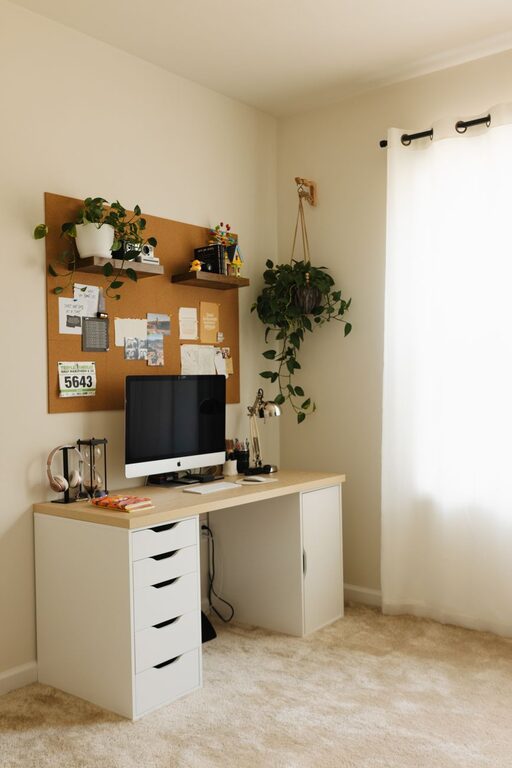
Creating a cozy and functional home workspace is essential for anyone working remotely or spending significant time at home on projects. A well-designed workspace not only enhances productivity but also supports your comfort and well-being. Whether you have a dedicated room or just a corner in your living space, these tips will help you transform it into an enjoyable and efficient work environment.
Choose the Right Location
Find a Quiet and Bright Spot
Select a place in your home with minimal distractions. Ideally, choose a room or area that receives plenty of natural light. Natural light can boost your mood and reduce eye strain. If a quiet corner in your living room or bedroom is all you have, use noise-cancelling headphones or room dividers to create separation from household activity.
Consider Ergonomics
Ensure that your workspace supports good posture. The height of your desk and chair should allow you to work comfortably without slouching or straining. If possible, invest in an adjustable chair with lumbar support and a desk at elbow height when seated.
Organize Your Workspace for Efficiency
Use Smart Storage Solutions
Clutter can disrupt your focus and reduce your productivity. Use shelves, drawers, and organizers to keep office supplies, files, and equipment tidy and accessible. Consider vertical storage options if your space is limited.
Keep Essential Tools Within Reach
Arrange items you use frequently in easy-to-reach places. This prevents unnecessary movement and helps maintain concentration. For example, place your phone, notebook, pens, and computer accessories on the desk or in a nearby drawer.
Personalize Your Space for Comfort and Inspiration
Add Cozy Elements
Incorporate soft textures like a plush rug, cozy throw blanket, or comfortable cushions. These elements make your workspace inviting and help you feel relaxed throughout your workday.
Bring in Plants and Greenery
Indoor plants not only improve air quality but also create a calming atmosphere. Choose low-maintenance plants such as succulents, snake plants, or pothos that thrive indoors with minimal care.
Use Calming Colors
Colors affect mood and productivity. Soft, neutral tones or pastels promote relaxation, while brighter colors like blues and greens can enhance focus. Choose a color scheme that makes you feel calm and energized.
Optimize Lighting
Combine Natural and Artificial Lighting
Maximize daylight by positioning your desk near a window. For darker days or evening work, use layered lighting methods such as overhead lights combined with a desk lamp. Adjustable lamps with warm bulbs help reduce eye strain.
Reduce Glare and Screen Reflection
Position your computer screen perpendicular to windows to avoid glare. Use blinds or curtains to control sunlight when needed, ensuring visual comfort throughout the day.
Minimize Distractions
Set Boundaries
Establish clear work hours and communicate them with family or housemates. This helps reduce interruptions and defines your workspace as a professional zone.
Use Noise Management Tools
Consider installing white noise machines, noise-cancelling headphones, or background music to maintain focus in noisy environments.
Incorporate Technology Thoughtfully
Choose Reliable Equipment
Invest in devices that support your work needs, such as a fast computer, a quality webcam, and a good microphone for virtual meetings. Proper technology prevents frustration and helps you stay efficient.
Manage Cables
Use cable organizers or clips to keep cords neat and out of the way. A tidy workspace contributes to a calm and productive atmosphere.
Take Breaks Creatively
Designate a Relaxation Spot
If space allows, create a small area where you can step away during breaks. A comfy chair or a small couch encourages you to rest and recharge.
Practice Good Habits
Set reminders to stand, stretch, or move around regularly. Keeping your body active contributes to better concentration and reduces fatigue.
Final Thoughts
Designing a cozy and functional home workspace is a blend of practicality and personal comfort. By carefully selecting your location, organizing your tools, personalizing your environment, and managing distractions, you can create a space that supports your well-being and productivity. Small changes can make a big difference in how you feel and perform throughout your workday. Take time to experiment with your setup until you find the perfect balance that suits your lifestyle and work style.