
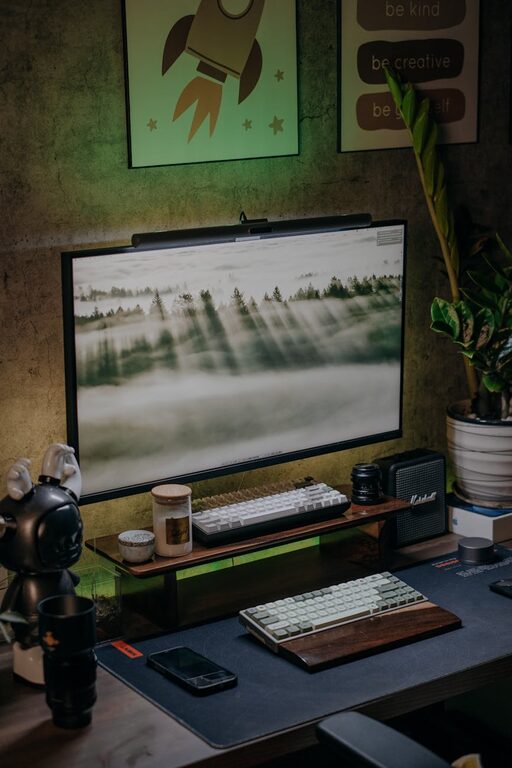
Creating a home workspace that is both relaxing and productive can significantly boost your efficiency and overall well-being. Whether you work remotely full-time or occasionally need a quiet place to focus, designing an environment that supports your needs is essential. This guide offers practical tips to help you create a home office space that feels inviting yet helps you stay on task.
Why a Relaxing and Productive Workspace Matters
Working from home can blur the lines between personal and professional life. A dedicated workspace helps establish boundaries and triggers your mind to shift into work mode. At the same time, a calming environment reduces stress and fatigue, making it easier to concentrate and maintain motivation throughout the day.
Choose the Right Location
Finding the ideal spot for your workspace is the first step. Consider these factors when selecting a place in your home:
– Natural Light: Position your desk near a window if possible. Natural daylight improves mood and alertness.
– Quietness: Select a space with minimal noise distractions to maintain focus.
– Privacy: Ensure the area has some separation from high-traffic zones to reduce interruptions.
– Ventilation: Fresh air circulation can help keep you energized and comfortable.
If a separate room isn’t available, carve out a dedicated nook that is distinct from your living or sleeping areas.
Invest in Ergonomic Furniture
Comfort and posture are important for long work sessions. Here’s what to look for:
– Ergonomic Chair: Choose a chair that supports your back and encourages good posture.
– Adjustable Desk: A desk with adjustable height options lets you alternate between sitting and standing.
– Monitor Placement: Position your monitor at eye level about an arm’s length away to reduce neck strain.
– Keyboard and Mouse: Ergonomic designs can minimize wrist fatigue.
Proper ergonomics prevent discomfort and enhance your ability to focus.
Organize and Declutter Your Space
A neat workspace helps reduce distractions and promotes productivity. Use these organizational strategies:
– Storage Solutions: Shelves, drawers, and organizers keep supplies tidy and accessible.
– Cable Management: Use clips and ties to keep cords out of sight and prevent tangles.
– Minimal Decor: Limit items on your desk to essentials to maintain a clean look.
– Daily Reset: Spend a few minutes at the end of each day tidying your workspace.
A clutter-free zone clears mental space, helping you stay on task.
Incorporate Soothing Elements
Adding relaxing touches to your workspace can reduce stress and improve focus:
– Colors: Choose calm tones like soft blues, greens, or neutrals to create a peaceful atmosphere.
– Plants: Indoor plants bring life to your space and can improve air quality.
– Lighting: Use warm light bulbs or desk lamps with adjustable brightness to avoid harsh lighting.
– Aromatherapy: Subtle scents like lavender or eucalyptus can enhance relaxation.
These elements transform your workspace into an environment you look forward to spending time in.
Minimize Digital Distractions
Technology enables work but can also interrupt your flow. Try these tips:
– Notifications: Turn off non-essential alerts on your devices during work periods.
– Focus Apps: Use tools that block distracting websites or help manage tasks.
– Separate Devices: Avoid mixing work and personal devices to stay organized and reduce temptation.
Managing digital distractions helps maintain concentration and efficiency.
Establish a Routine and Boundaries
Creating habits around your workspace supports productivity and work-life balance:
– Consistent Hours: Try to start and end work at regular times daily.
– Breaks: Step away from your desk periodically to recharge and prevent burnout.
– Dedicated Work Activities: Use your space only for work-related tasks to help mentally separate work from relaxation.
– Clear End Time: Signal the end of the workday by tidying up or turning off your computer.
Routines help train your brain to focus during work hours and relax afterward.
Personalize Your Space Thoughtfully
While minimalism works well, a few personal touches can boost your mood:
– Inspiring Art or Quotes: Visual reminders of your goals keep you motivated.
– Comfort Items: A cozy blanket or cushioned footrest can increase comfort.
– Photo Frames: Pictures of loved ones can create a positive environment.
Balance personalization with simplicity to avoid clutter and distraction.
—
Creating a home workspace that balances relaxation and productivity takes intentional planning. Start by choosing the right location and furniture, keep your space organized, incorporate calming elements, and set clear boundaries. With these steps, your home office will become a place where you can work efficiently while feeling comfortable and stress-free.