
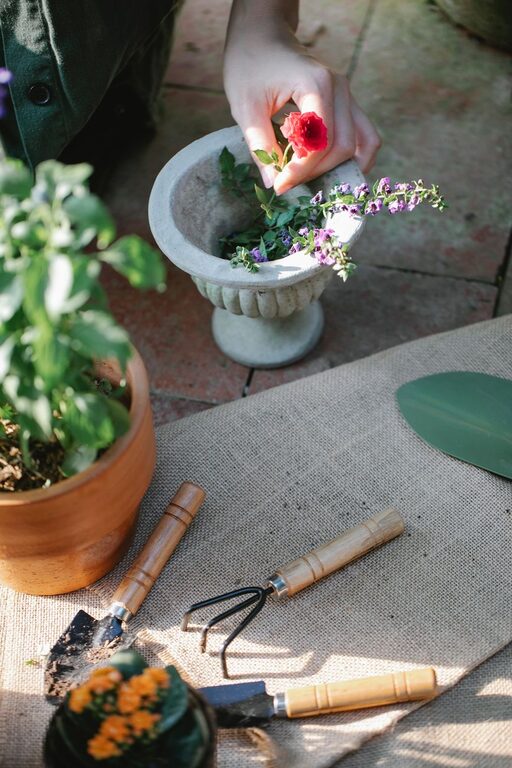
Creating a beautiful and functional home garden is a rewarding way to enhance your outdoor space, improve your home’s curb appeal, and enjoy nature right at your doorstep. Whether you have a large backyard or a small balcony, thoughtful planning and care can transform any space into a relaxing garden retreat.
In this post, we’ll explore practical tips for designing a garden that balances beauty with usability. From choosing the right plants to arranging your garden layout, these ideas will help you build a green space you love.
Start with a Plan
Before digging soil or buying plants, take time to plan your garden layout. Consider these points:
– Assess Your Space: Measure your garden area and note sun exposure, soil type, and drainage. Understanding your environment helps you select suitable plants.
– Define Your Garden’s Purpose: Decide if you want a place for relaxation, entertaining, growing vegetables, or attracting wildlife. This purpose will guide your design choices.
– Sketch a Layout: Draw a simple map indicating where you want flower beds, paths, seating areas, and other features.
Choose Plants Wisely
Choosing the right plants is key to creating a garden that thrives and looks good.
Consider Climate and Soil
Pick plants suited to your climate zone and soil conditions for easier maintenance and longevity.
Mix Different Plant Types
Include a variety of plants such as:
– Perennials: Long-lasting plants that return year after year.
– Annuals: Bring seasonal color and variety.
– Shrubs and Bushes: Add structure and privacy.
– Herbs and Vegetables: For a functional, edible garden.
Focus on Color and Texture
Combine plants with different leaf shapes, flower colors, and heights to create visual interest. Group plants in odd numbers for a natural look.
Plan for All Seasons
To keep your garden attractive year-round:
– Choose some evergreen plants or shrubs.
– Include plants that bloom in different seasons.
– Add ornamental grasses or textured foliage for winter interest.
Design for Functionality and Comfort
A beautiful garden should also be comfortable and easy to use.
Include Paths and Walkways
Paths help you navigate your garden without damaging plants. Use materials like gravel, stone, or wood depending on your style.
Create Seating Areas
Add benches, chairs, or a small patio where you can relax and enjoy the garden.
Add Lighting
Outdoor lighting can highlight plants and make your garden usable at night. Solar-powered lights are eco-friendly and easy to install.
Ensure Easy Maintenance
Choose low-maintenance plants and consider installing an irrigation system or rainwater collection to simplify watering.
Use Garden Accessories Thoughtfully
Decorative elements can enhance your garden’s charm:
– Garden art: Sculptures, wind chimes, or bird feeders add personality.
– Containers: Pots and planters allow for flexible design and are ideal for small spaces.
– Mulch: Helps retain moisture, suppress weeds, and gives a neat appearance.
Practice Sustainable Gardening
Eco-friendly practices keep your garden healthy and support the environment.
– Compost kitchen scraps and garden waste to enrich your soil.
– Use natural pest controls like companion planting.
– Avoid chemical fertilizers and pesticides when possible.
Regular Care and Enjoyment
Maintaining your garden is essential for its beauty:
– Water plants appropriately.
– Prune overgrown branches.
– Weed regularly.
– Harvest fruits, vegetables, or herbs as needed.
Most importantly, spend time enjoying your garden. It’s a personal sanctuary where you can unwind and connect with nature.
—
By following these tips, you’ll create a home garden that not only looks beautiful but also serves your needs and lifestyle. Start planning today and watch your outdoor space flourish into a lovely retreat.