
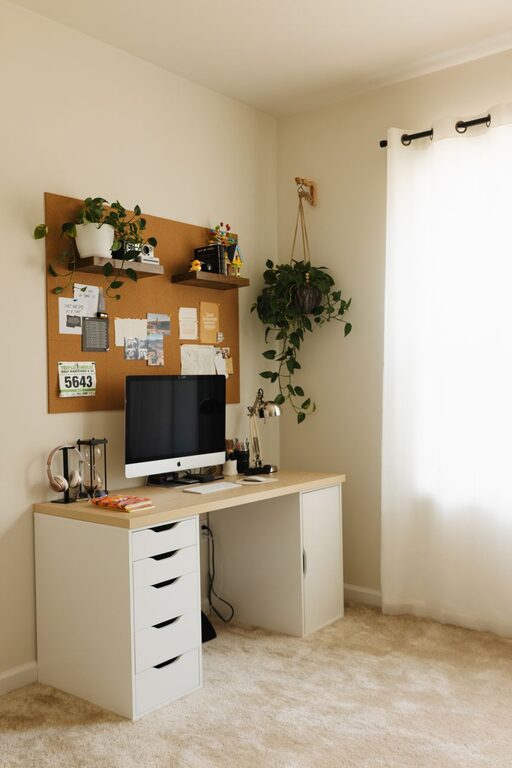
Creating a home office that’s both cozy and productive can transform the way you work. Whether you’re new to working from home or looking to refresh your current setup, combining comfort with efficiency is key to staying motivated and focused. Below are practical tips to help you design a home office space that supports your work and feels inviting.
1. Choose the Right Location
Picking the best spot for your home office is the first step. Ideally, find a quiet area with minimal distractions. This might be a spare room, a corner in your bedroom, or even a dedicated space in the living room.
– Natural light: Try to position your desk near a window to take advantage of natural light, which can improve mood and reduce eye strain.
– Privacy: Avoid high-traffic areas to minimize interruptions during work hours.
– Space: Ensure there’s enough room for your desk, chair, and any additional equipment or storage you need.
2. Invest in Comfortable, Supportive Furniture
Your office furniture plays a huge role in comfort and productivity.
– Ergonomic chair: Choose a chair that supports your lower back and encourages good posture.
– Desk: Pick a desk at the right height so you can work without hunching over. If possible, consider a sit-stand desk to alternate positions.
– Organization: Look for desks with built-in storage or plan to add shelves and drawers nearby.
3. Optimize Lighting
Good lighting reduces eye strain and helps maintain alertness.
– Layered lighting: Combine natural light with overhead lighting and desk lamps to avoid harsh shadows.
– Adjustable lamps: Use a lamp with adjustable brightness and direction to focus light exactly where you need it.
– Avoid glare: Position your monitor to reduce glare from windows or lights.
4. Personalize Your Workspace
Making your office space feel welcoming helps sustain motivation.
– Decor: Add artwork, plants, or photos that make you feel calm and inspired.
– Colors: Choose soothing colors like soft blues, greens, or neutral tones that promote focus.
– Comfort items: Include items such as a cozy throw, cushions, or an essential oil diffuser to create a relaxed atmosphere.
5. Keep it Organized and Clutter-Free
A tidy space promotes clear thinking and efficiency.
– Declutter regularly: Remove unnecessary items from your desk and surroundings at the end of each day.
– Storage solutions: Use baskets, filing cabinets, or drawer organizers to keep papers and supplies in order.
– Cable management: Use clips or sleeves to keep cords neat and prevent tangling.
6. Set Up Technology Efficiently
Your technology should support your workflow seamlessly.
– Reliable internet: Ensure you have a stable and fast connection to avoid interruptions.
– Accessories: Use a comfortable keyboard and mouse, and consider a second monitor for multitasking.
– Charging stations: Keep chargers handy and organized to avoid dead devices.
7. Create Boundaries Between Work and Home Life
Separating work and relaxation helps you maintain a healthy routine.
– Defined workspace: Avoid spending time on work tasks outside your office area.
– Regular breaks: Step away from your desk during breaks to recharge.
– End-of-day routine: Clear your workspace and shut down work-related devices when your day ends.
8. Incorporate Plants and Natural Elements
Plants can improve air quality and add a calming, refreshing touch to your workspace.
– Easy-care plants: Succulents, pothos, or snake plants require minimal maintenance.
– Natural materials: Use wooden furniture or stone accessories to bring nature indoors.
9. Control Noise Levels
Noise can be distracting, so try to minimize it where possible.
– Noise-cancelling headphones: Use these if you are in a noisy environment.
– Soft furnishings: Rugs, curtains, and cushions can absorb sound and reduce echo.
– White noise machines: These can help mask background noise and increase focus.
10. Maintain Good Air Quality and Temperature
Comfort in air and temperature makes long work hours more pleasant.
– Ventilation: Open windows regularly or use an air purifier for fresh air.
– Temperature control: Use fans, heaters, or adjustable thermostats to stay comfortable.
—
Final Thoughts
Designing a home office that is both cozy and productive takes a bit of planning but offers great rewards. By carefully choosing your location, investing in ergonomic furniture, and personalizing your space, you create an environment where you can thrive. Keep your area organized, optimize lighting and technology, and build routines that help separate your work and personal life. With these tips, your home office can become your favorite place to work.